How to Use Children's Interests to Guide Play-Based Learning
Between lesson plans, learning standards, and the pressure to make every single moment productive, it's so easy to forget something important: the children in front of us are our starting point.
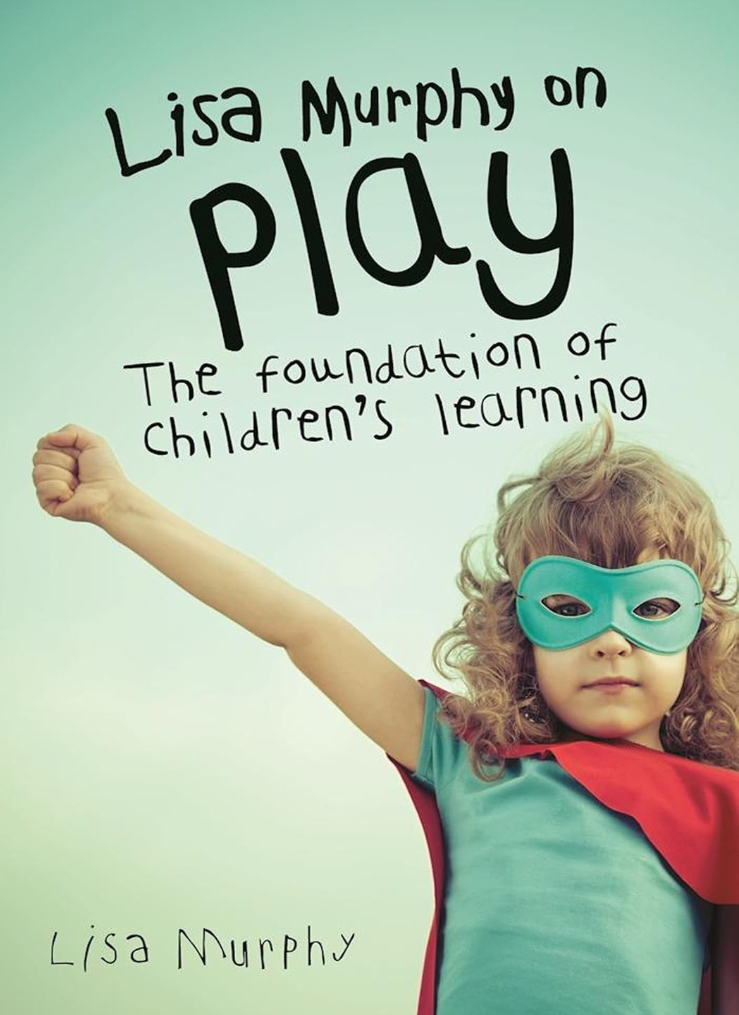
While reading Lisa Murphy on Play by Lisa Murphy (my fav), I started reflecting on how often a child's interests, questions, and discoveries have guided me to determine what happens next in my classroom.
Play-based intentional teaching go together, real bad. It's a sweet mix of paying attention to the children and using what we observe to create meaningful learning experiences.
Keep reading …
Start With What Children Show You
What captures that child's attention? What do they keep playing with again and again? What questions do they ask you nonstop, and what challenges are they facing?
These observations can help you plan the next day. Sometimes, they can even change the direction of a lesson right in the middle of it. I experience moments like this all the time.
I was recently working with a five-year-old on letter and sound associations. I asked him to grab his crayons so we could potentially add some color. That wasn't really the point of the activity. I just like offering children coloring utensils because, well, what’s a world with no color?
Anyway, he grabbed his crayon box, sat down, picked up his pencil, and asked me if I knew how to draw a train.
I told him no.
We both paused, and then he turned and began drawing on his own.
First came three squares, spaced apart. Then he added wheels, connected the cars, included more details, and eventually added himself to the picture. He switched between six colors as he brought his drawing to life. Later, he decided his mom and dad belonged on the train, too.
For about ten minutes, I sat back and watched.
I'd originally planned to have him write numbers. When he started drawing, I thought we could count items on the train afterward. One toy. Two people. That sort of thing.
But then he gave his creation a name.
Rainbow Train.
Um, yes. We were absolutely doing inventive spelling because we were already working on letter and sound associations. What better way to practice?
We ended up spelling Rainbow Train and 1 million toys. He wasn't just practicing sounds. He was connecting those sounds to words that meant something to him, while beginning to explore how writing and reading work together.

Inventive Spelling Emerges
Colorful Rainbow Train drawing created during a letter and sound activity.
Rocko 5 years
My original lesson didn't disappear when the train showed up. It meant more because we made room for his idea. That’s how you teach children to bridge the connection between thoughts and making it make sense.
Give Children Something Real to Explore
If we’re going to follow a child's interests, it also means thinking carefully about the materials we offer.
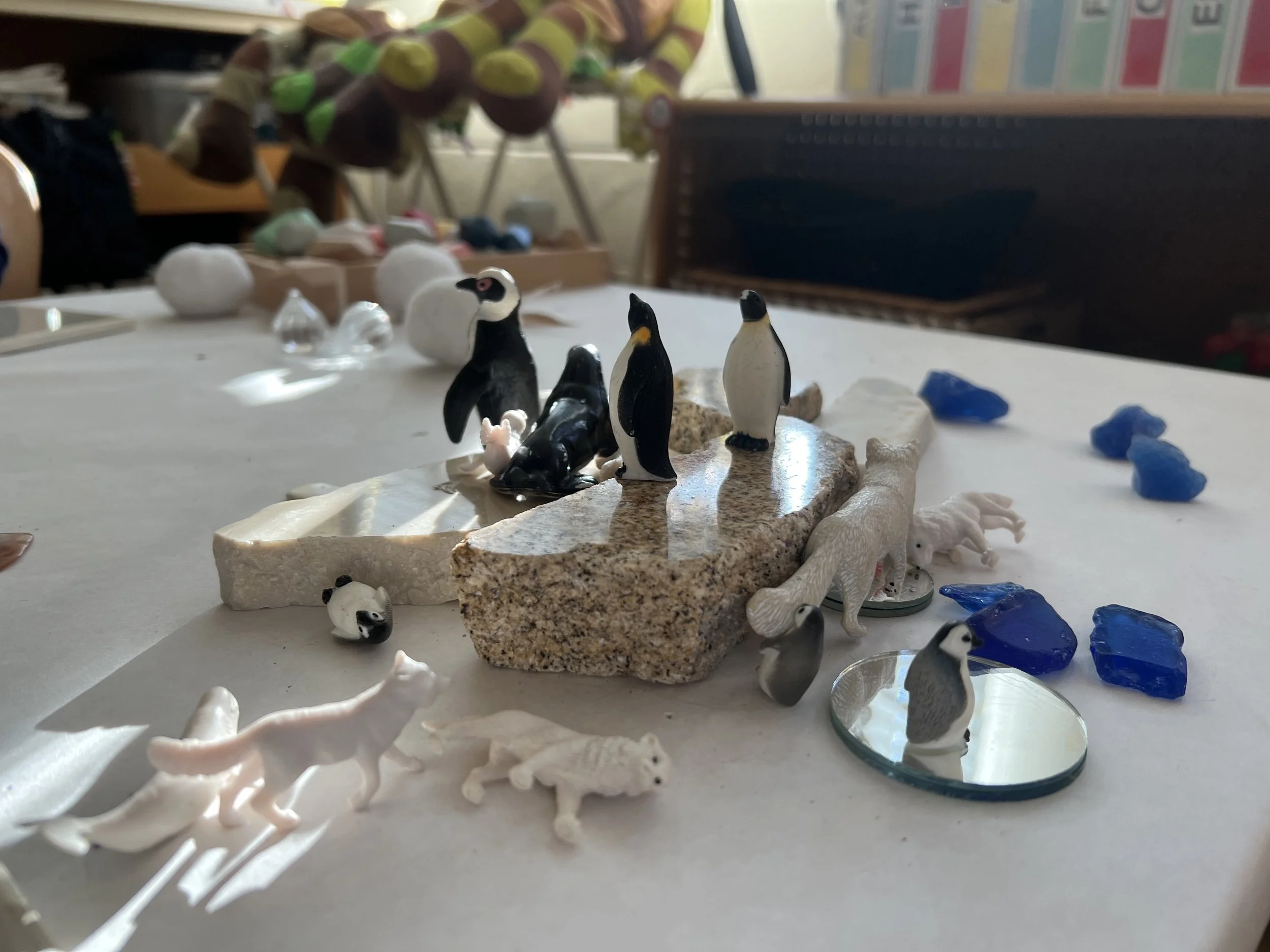
In a Reggio-inspired classroom where I worked, we would set out natural materials such as rocks, sticks, stones, and bark alongside toy animals. The children used them to create worlds for the animals.
Their favorite? Polar bear land :)
We extended their play by adding blue, white, and black paint and blue table paper so they could create a base for their world.
It was awesome!
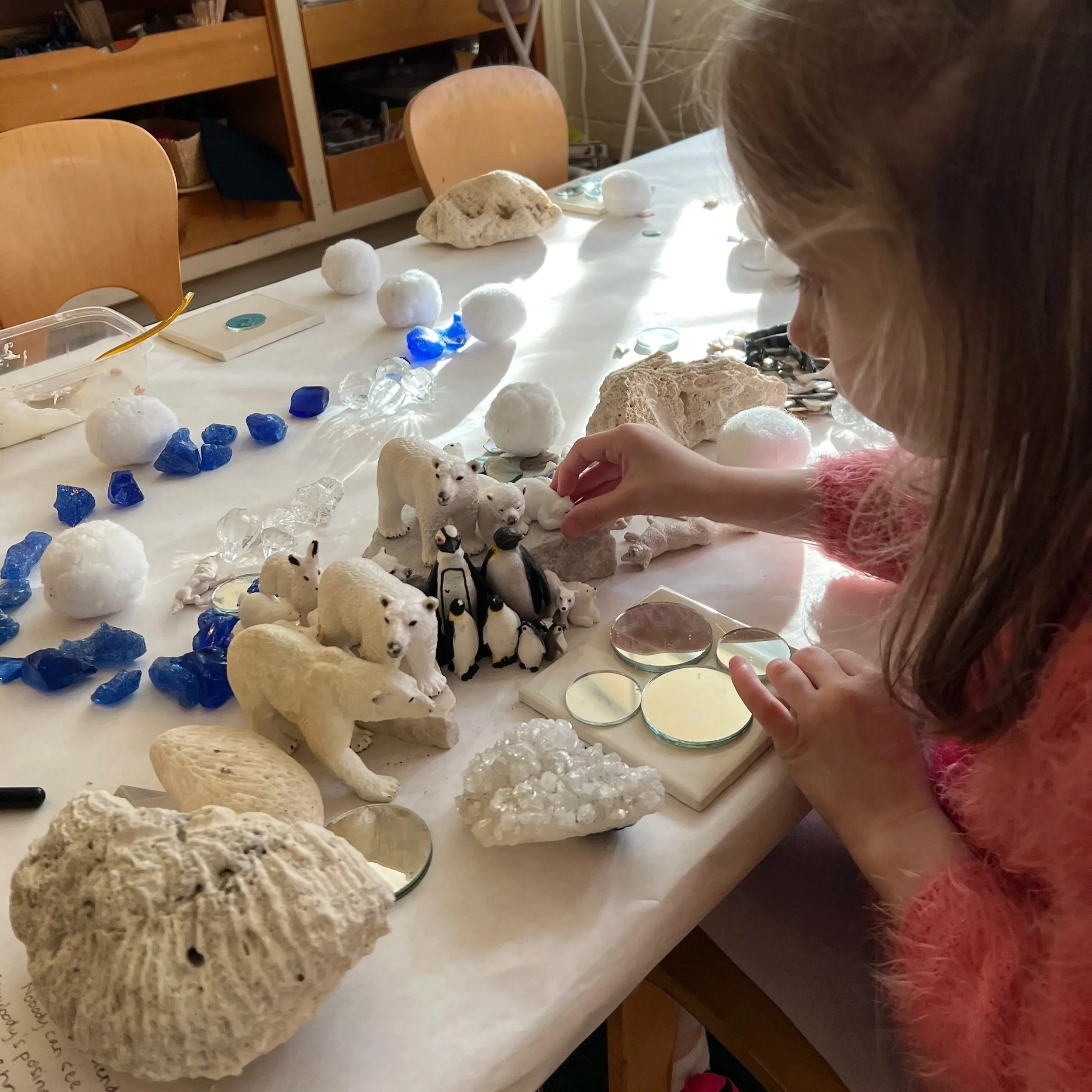
“The polar bears are getting together to take family photos.”
Kate 4 years
The materials offered so MANY possibilities, but the children ultimately decided what to do with them. We observed their play and listened to their language!
That's one of the things I love about open-ended materials. They don't dictate one finished product. They give children room to imagine and create something of their very own.
Play-Morr Picks
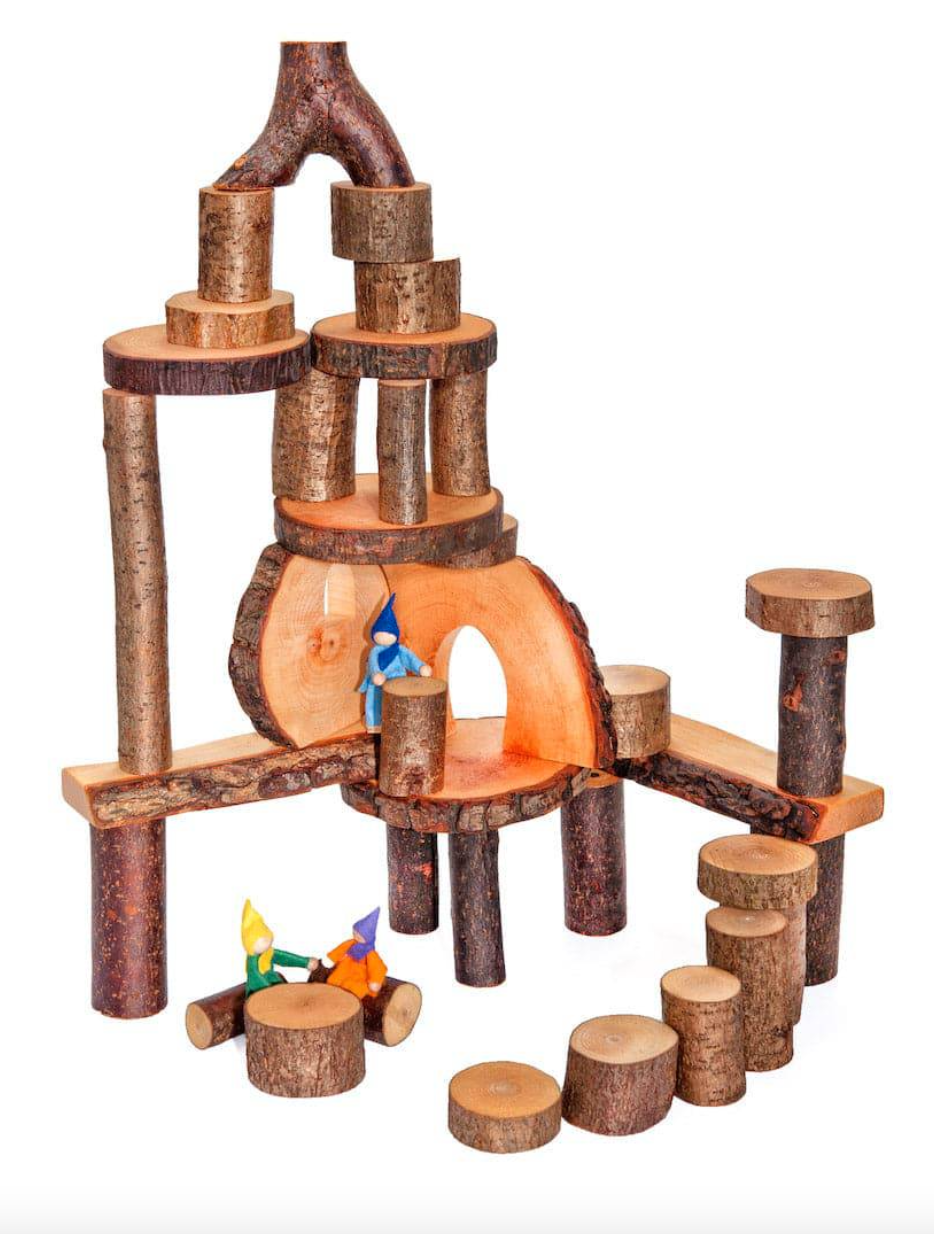
Materials That Invite More Play
This post contains affiliate links. If you make a purchase through these links, Play-Morr may earn a commission at no additional cost to you. As an Amazon Associate I earn from qualifying purchases.
Plan With Intention, Not Just Activities
Now, let's be honest. Just letting children play can be hard.
When you think about it, you're giving up some control. You might look around the classroom and feel like the children aren't doing anything, especially when their play doesn't look like the activity you had planned.
But the truth is, they may be doing everything.
They're:
Exploring
Making decisions
Testing ideas,
Communicating
Solving problems …. The list goes on.
Our job is to study them, learn their behaviors, and pay attention to what their play reveals.
That requires intentional observation. It means resisting the urge to jump in with directions every time we see an opportunity to teach. Sometimes, our most useful next step is to watch, listen, and wait.
Before writing tomorrow's lesson plan, ask yourself:
What interested the children today?
What did they try to figure out?
What materials or experiences could extend that interest?
Where can I make room for more movement, conversation, creativity, and exploration?
Curriculum resources and planned activities can support your work. What you observe helps you make those resources relevant to the children in your care.
Your Next Step: Observe Before You Plan
Tomorrow, try observing before you plan.
Notice what children return to, what makes them curious, and what questions emerge during play. Choose one interest and think of a simple way to extend it the following day.
You don't have to throw away your lesson plans. You just have to leave enough room for the children to influence them.
My biggest takeaway from reflecting on Lisa Murphy's work is this: intentional teaching starts with paying attention.
The children are already showing us where learning can go. Our job is to notice, respond, and make room for play.
This article shares my personal reflections on ideas explored in Lisa Murphy on Play by Lisa Murphy. It is not an official summary or a substitute for the original book.