
Making Room for the Child Who Doesn't Fit the Mold
Have you ever met a child who just doesn't fit the mold?
Maybe they're the little one who would rather sit back and observe than jump into the group. Maybe they're the child who asks a million questions, marches to the beat of their own drum, or has absolutely no interest in the activity you spent an hour preparing.
Listen, I've met plenty.
And here's what I've learned:
Sometimes, the child doesn't need to change. The environment does.
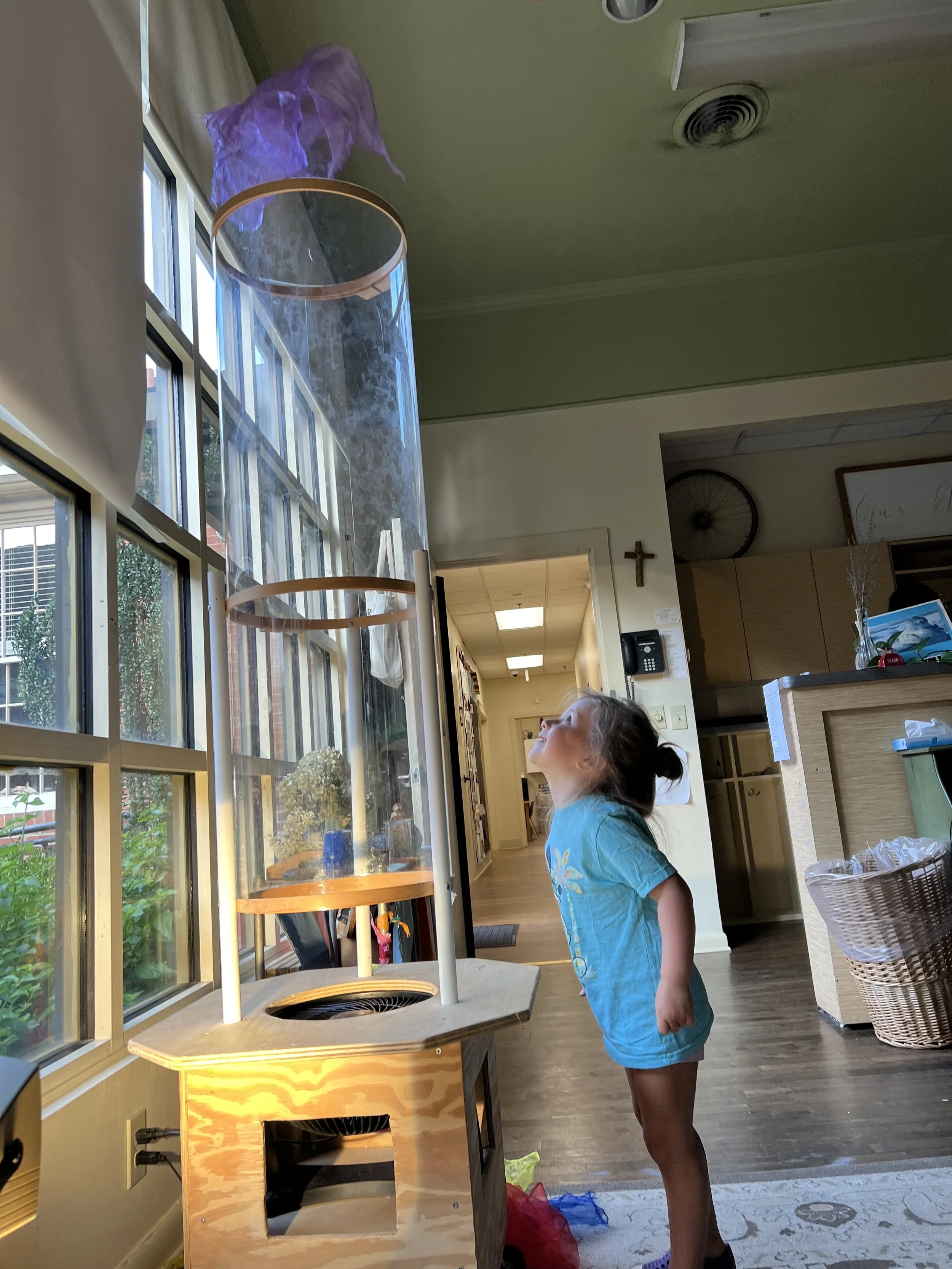
As parents and educators, we have to make room for children to discover who they are without constantly asking them to fit into who we think they should be.
The world already has plenty of expectations about how people should look, behave, communicate, and show up. Children are learning to navigate those expectations before they even understand what they mean.
Self-expression is how children share their thoughts, feelings, interests, creativity, and personalities with the world. It might look like painting a masterpiece, choosing an outfit that makes absolutely no sense to us, telling an elaborate story, or quietly watching everyone else before deciding to join in.
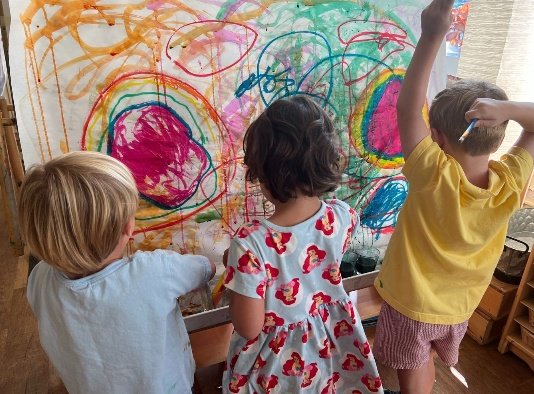
There isn't just one way to express yourself.
Our job is to create safe, supportive spaces where children feel loved, valued, and appreciated for who they are, while helping them learn to communicate their needs and respect others.
Here are four ways we can support them:
1. Make Room for Different Personalities
Not every child is going to be the loudest voice in the room. And that's okay.
Some children are naturally outgoing, while others need time to warm up. Some jump right into new experiences, while others prefer to observe before participating.
Neither approach is wrong.
2. Stop Making Everything a Performance
Whew. This one is for the grown-ups.
We love a good performance. The perfectly painted craft, the adorable school picture, the child who recites the entire song at the family gathering. But children aren't here to perform for us.
Those zigzag lines, blotches of yellow paint, and swirls of black marker? That's a child exploring their ideas. That elaborate pretend-play story that makes absolutely no sense? That's a child building an entire world in their imagination.
RESIST the urge to immediately tell them what it is or what it should be.
3. Give Children Permission to Be Different
Let's talk about personal style, interests, and all those little things that make a child who they are. Is this a child you know:
They like to wear mismatched socks
They have interests an interest that nobody else in the family seems to share.
They love dinosaurs when everyone else is into princesses.
They want to dance, build, draw, explore, or spend an entire afternoon collecting rocks.
Let them.
Of course, adults still have to set boundaries around safety, weather, routines, and what is appropriate for the situation. But within those boundaries, children deserve opportunities to make choices about their own lives.
Children don't have to like what we like to feel connected to us.
4. Create Space for Every Kind of Voice
Self-expression isn't just about art, clothing, or personality. It's also about helping children communicate what they're thinking and feeling.
And let's be honest. This isn't always easy.
Children are still learning how to identify their emotions, communicate their needs, and navigate disagreements. Sometimes, their feelings come out as tears, frustration, silence, or behavior that challenges us.
Our job isn't to shut those feelings down. It's to help children find safe, respectful ways to express them.
That starts with modeling emotional communication ourselves.
When we talk about our own feelings in an age-appropriate way, we show children that emotions are a normal part of being human. We can also help them find words for what they're experiencing and practice asking for what they need.
Try saying this:
“It's okay to feel frustrated. Let's figure out how to tell me what you need.”
“You can tell me when something makes you uncomfortable.”
“You don't have to hug someone if you don't want to. You can say hello another way.”
Let's Make Room for Every Child
At the end of the day, helping children express themselves isn't about letting them do whatever they want. It's about creating safe, meaningful opportunities for them to discover who they are and communicate that to the world.
Some children will express themselves loudly. Others will do it quietly. Some will need encouragement, while others will need us to step back and give them room.
And sometimes, the most powerful thing we can do is stop trying to change a child and start paying attention to who they're becoming.